Hello friends! I always come across so many new friends, and I love giving them tips on how to become Kindergarten ready. Kinder is the first rung on the academic ladder, and so vital for both academics and social interactions. I’ve picked seven topics to share that you can do at home during the summer to help your little ones be as successful as possible, and be Kinder ready this school year. 🙂
1. Following Directions: Practice two step directions with your child, for example: “Mary, take off your jacket, and come sit at the table.” “Benjamin, put your coloring box away, and come wash your hands.” In the classroom, your child will be asked to complete many different tasks independently. This is extremely important for your child to learn. Kinder classrooms have so many different activities going on all at once during the day (I like to call it organized chaos), and I have found that the students in my classroom who were able to follow directions easily were more successful throughout the year.
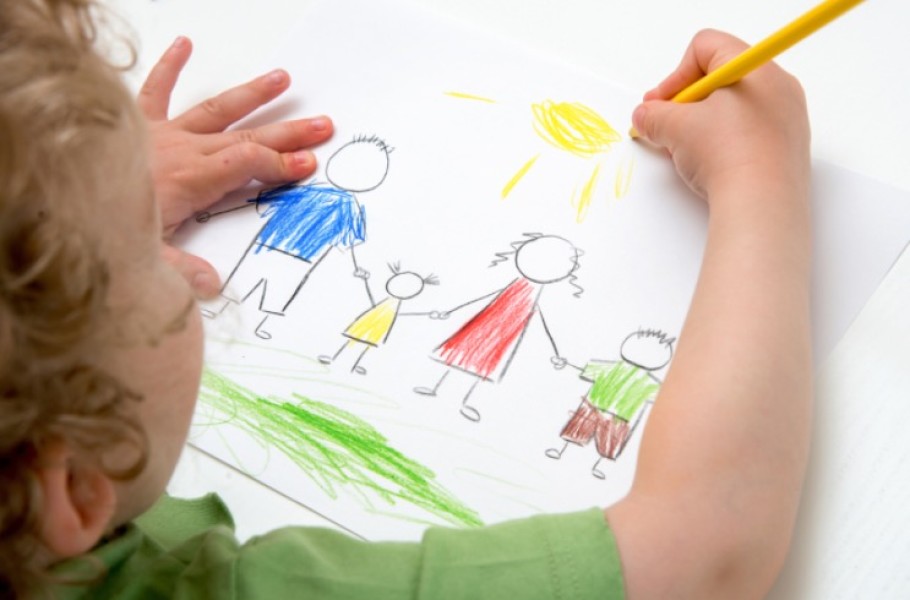
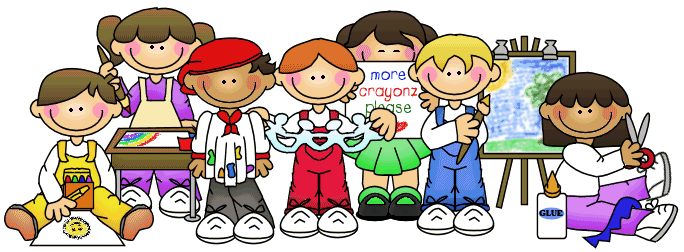
2. Fine Motor Skills: Put down the iPads, iPhones, and tablets. Give your child crayons, pencils, scissors, glue, paper, and play dough. Most children now a days learn their numbers, and letters from a computer or a tablet, and they aren’t given many opportunities to write, color, or draw. Show your child how to hold a pencil, or crayon. Let them draw pictures of Mom, Dad, brother, sister, family pet, themselves…whatever they want to draw, even if it’s just scribble, encourage it! Let them color in coloring books, show them the correct way to hold children scissors, and show them how to cut. One activity that Mrs. Hubbert, and I would do on the first day of school is we would draw lines on a piece of paper, some straight, and some squiggly, we would have the students cut on the dotted line and then crumble the paper with their hands (working those little muscles) and toss the paper into the recycling bin. Show them how to use glue. Tell them, “one dot, not a lot”. Get a marker and put dots on a sheet of paper, have you child put one drop of glue on each dot, add glitter or colored tissue paper, and wait for it to dry. Glitter makes everything better. 🙂
3. Gross Motor Skills: Get your child away from the TV, and get them outside playing! Give them plenty of unstructured outdoor play. Remember, children learn through play. When I would ask my friends what their favorite part of the day was, the majority of the time they would say recess, and that was perfectly fine with me, because I knew how important recess was for their growing bodies, and brains. Let your child run, jump, skip, create, and imagine outside.
4. Books: Read, read, read, and read some more to your kids! Mrs. Hubbert and I are advocates for reading, and most people don’t realize how vital reading is for their children. I’ve heard so many parents say, “Oh that book was too hard for my five year old, and the words were too big.” It doesn’t matter if you are reading The Cat in The Hat to your child, or a chapter book. Expose your child to the “big words”; how else are they going to know what these words mean? Make reading fun. Use different voices for different characters in the book, who cares if you sound silly, your child will love it, and look forward to reading time. Mrs. Hubbert always makes silly voices when she is reading to our friends in class. Your child should understand what a book is. They should know the difference between the author, and illustrator. They should know what the dedication page is, and that we read from left to right, and top to bottom. They should know what the cover, spine, and back of the book are. They should also be able to recognize rhyming words, and have phonological awareness of letters. It’s never too early to start reading to your child.
5. Conversations: Have conversations with your children. Speak to them about food, sports, family, running errands, and their emotions. Speak to them in complete sentences, don’t treat them like they are babies, or speak to them that way. They are little leaners, and very capable of having a conversation with a grown up. Some of my friends in the classroom would always come up to me and say, “I go to potty”. I would then say to them, “Oh you have to use the bathroom? Let’s try again, Let’s say, I need to use to the bathroom”. By the middle of the school year the students who were using two words to express themselves were now speaking in complete sentences, and expressing themselves fully.
6. Math: Kindergarteners should have an understanding of numbers. They need to know how to count to 100 by the end of the school year. Make counting fun for them. Count stairs in your house, count food, count the number of stop signs you see on your drive home. Count when you give them berries, crackers, carrots, animal cookies. Add a few…count them, take some away…count them.
7. Singing: Every morning in Mrs. Hubbert’s class we would have circle time where we would just sing. It is my favorite part of the day with all of our friends. We were having a blast, and learning at the same time. Look up Dr. Jean songs on iTunes. She sings about the days of the week, months of the year, letter sounds, rhyming, colors, numbers, letters, and so much more. You would be surprised at how many students would come into Mrs. Hubbert’s classroom at the beginning of the year not knowing one letter, or one letter sound. Two months later they knew all of their letters, and letter sounds just from singing the Dr. Jean songs.
I hope all of these tips, and topics helped. Just remember: parents are their child’s first teacher, make learning fun for them. Children are like little sponges, and retain so much. Your child will be Kinder ready before you know it. Happy learning…Love, Wellie 🙂